


 Pogledi na nastalo situacijo so seveda različni. Tu je več interesnih skupin, ki imajo različne cilje. Na eni strani so ministrstva in njihove službe, ki skrbijo za varnost v letalstvu, na drugi poslovni subjekti, za katere je v prvi vrsti važen zaslužek, in na tretji strani so potniki. Zanje je večinoma najbolj pomembno, da pridejo iz točke a v točko b brez nepotrebnih 'kolobocij'. V primeru izbruha vulkana sta kratko potegnila slednja dva – letalske družbe in potniki. In kdo jim je povzročil nevšečnosti? Po besedah mag. Mirka Komca je Ministrstvo za Promet tisto, ki lahko na podlagi 2. odstavka 11. člena Zakona o letalstvu izda odločbo o omejitvi in prepovedi letenja v Sloveniji. Seveda pa morajo biti za izdajo takšne odločbe tehtni argumenti. Glede na to, da je oblak vulkanskega pepela dosegel Slovenijo dan kasneje kakor severni del Evrope, so stanje pri nas že budno spremljali. Bili so v stalnih stikih s službo letalske meteorologije (SLM) pri Agenciji RS za okolje in Kontrolo zračnega prometa Slovenije (KZPS), ti dve pa s pristojnimi evropskimi institucijami. Podatke o količini vulkanskega pepela je posredoval londonski svetovalni center za spremljanje vulkanskega pepela, ki je v skladu z mednarodnimi konvencijami pristojen za spremljanje vulkanskih izbruhov v severni Evropi. Na podlagi teh podatkov in v koordinaciji z SLM ter KZPS so se tako odločili, da 16. aprila ob 23. uri zaprejo slovenski zračni prostor, je pojasnil Komac. Odločitev o zaprtju se mu zdi utemeljena in ne preuranjena, še manj 'brezglava'. Varnost v letalskem prometu je na prvem mestu in pri tem interesi posameznih vpletenih subjektov nikakor ne morejo biti drugačni. Danes bi z enakimi podatki ravnali enako, je zatrdil Komac. Glede na pridobljene izkušnje pa že danes svoje odločitve sprejemajo na podlagi novih spoznanj, ki temeljijo na znanstvenih raziskavah. Kar nekaj znanstvenih inštitucij po Evropi in v ZDA je opravilo testne lete, ki so pokazali na navzočnost delcev pepela v zraku in njihov vpliv na letala in njihove sisteme. Ena izmed njih je nemška DLR (Nemški letalski raziskovalni center), ki je z modificiranim falconom 20E opravila kar nekaj letov nad Nemčijo. Zaznali so delce, večje od 3 mikronov, a se je njihova gostota hitro spreminjala. Na letalu in motorjih niso opazili nobenih poškodb. Švicarski MetAir je prav tako opravil testne lete in poročal o zmanjšani vidljivosti v oblaku in hitrem spreminjanju količine delcev v zraku. Že pred leti so imeli pri NASI izkušnjo z letenjem skozi vulkanski prah. Njihovo letalo DC-8 je februarja 2000 naključno letelo skozi oblak vulkanskega pepela, česar pa posadka sploh ni opazila. Popoletna analiza stanja motorjev je pokazala, da je pepel zamašil luknjice na turbinskih lopaticah (preko njih teče hladen zrak, ki ohlaja lopatice) in se sprijel tudi s površino lopatic. Stroški popravila motorjev so znašali 3,2 milijona dolarjev, letalo pa je letelo
Da bi letalska industrija v že tako nezavidljivih časih izgubila čim manj prihodkov, so se še v času prepovedi letenja preko videokonference sestali evropski ministri za promet. Na podlagi znanstvenih raziskav so odločali o treh možnostih za ureditev nevzdržne situacije. Odločali so se med tremi možnostmi. Prva je bila popolno zaprtje zračnega prostora, druga le delno zaprtje v območju
Kar zadeva povračilo škode letalskim organizacijam (poleg letalskih družb tudi letališčem in drugim, z letalstvom povezanim subjektom) in potnikom je Komac povedal, da so pravila o pomoči pravnim subjektom določena v Pogodbi o delovanju EU (člen 107, točka 2. b dopušča pomoč povrnitve škode, ki so jo povzročile naravne nesreče ali izjemni dogodki); potnikom pa določa pravice ob odpovedih in zakasnitvah letov Uredba št. 261/2004[1] in št. 889/2002.[2]. Direktorat za civilno letalstvo je vse oškodovane pravne subjekte, ki delujejo v Sloveniji, pozval, naj oddajo poročilo o povzročeni škodi. Ministrstvo bo te podatke obdelalo in jih bo posredovalo Vladi RS, ki bo odločala o morebitnih povračilih škode in njihovi višini. Ob tem Komac pravi, da se bodo zgledovali tudi po evropski praksi. Potniki, ki so imeli zaradi tega stroške, naj se obrnejo na agenta, ki jim je prodal letalsko karto, ali na agencijo, ki jim je uredila aranžmaje, ali pa neposredno na letalsko družbo, pri kateri so kupili karto.
Tudi v bodoče bodo pristojni organi delovali v korist javnega interesa, varnosti potnikov in tretjih oseb, tudi če bo to pomenilo, da javni interes prihaja v konflikt z interesom kapitala. Ravno zaradi takega odnosa in spoštovanja pravil je letalstvo najvarnejši način prevoza potnikov in blaga, je zaključil Komac.
[1] Uredba (ES) št. 261/2004 Evropskega parlamenta in Sveta z dne 11. februarja 2004 o določitvi skupnih pravil glede odškodnine in pomoči potnikom v primerih zavrnitve vkrcanja, odpovedi ali velike zamude letov ter o razveljavitvi Uredbe (EGS) št. 295/91, UR. L. 46, 17. februar 2004, str. 1–8.
[2] Uredba (ES) št. 889/2002 Evropskega parlamenta in Sveta z dne 13. maja 2002 o spremembi Uredbe Sveta (ES) št. 2027/97 o odgovornosti letalskih prevoznikov v primeru nesreč, UR. L. 140, 30. maj 2002, str. 2–5.
Volcanic ash paralyses Europe
The eruption of the Icelandic volcano Eyjafjallajökull halted European air traffic for a week, affecting 1.2 million passengers a day. We discussed the event with Mirko Komac, director of the Civil Aviation Directorate at the Ministry of Transport.
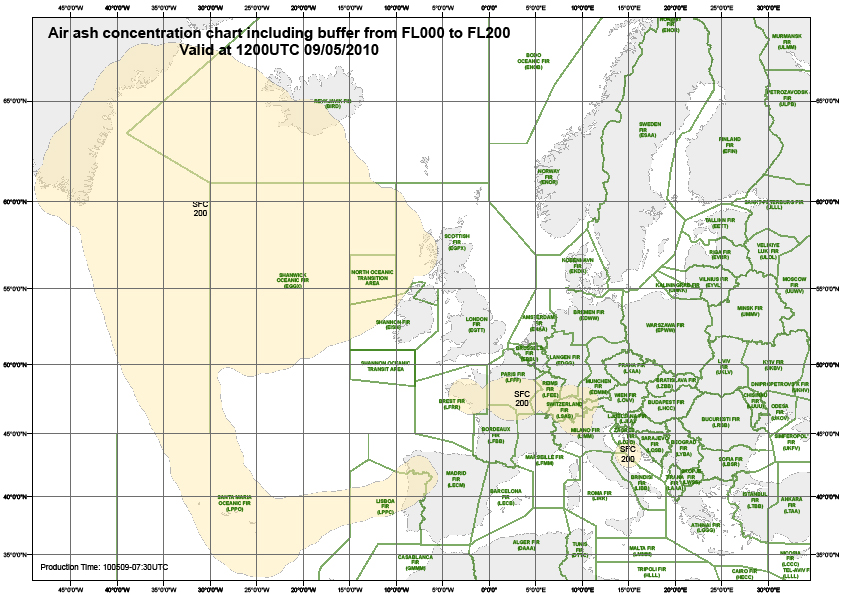
There are, of course, different views of the situation. Several groups are involved here, with different objectives. On the one hand are the ministries and the agencies responsible for aviation safety, then there are the commercial entities, whose first priority is their own profit, and then there are the passengers, whose primary concern is getting from A to B with as little hassle as possible. In the case of this volcanic eruption, it was the latter two groups – the airlines and passengers – who drew the short straw. And who was the cause of this inconvenience? On the basis of Article 11(2) of the Aviation Act, the Ministry of Transport is the body that holds the authority to issue a decision limiting or prohibiting flying in Slovenia. Naturally there need to be proper grounds for such a decision. In view of the fact that the cloud of volcanic ash reached 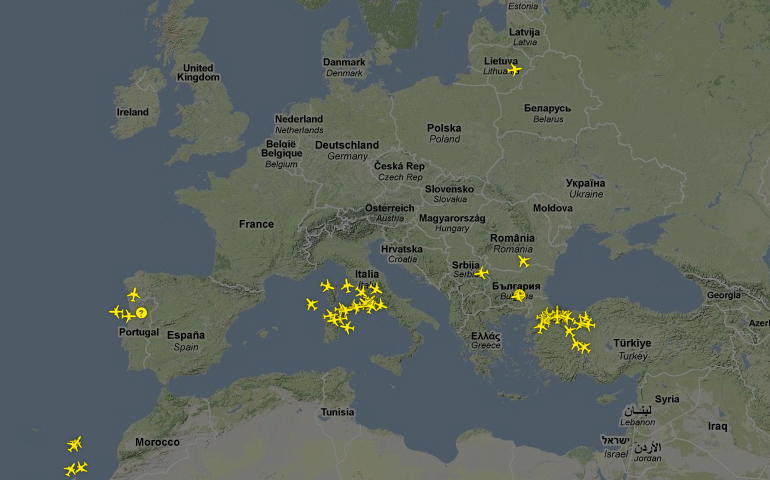 Slovenia a day later than the northern part of Europe, the situation was already being closely monitored here. Ministry staff were in constant contact with the Aviation Meteorology Service (SLM) at the Environmental Agency of the Republic of Slovenia and with Slovenia Air Traffic Control (KZPS), which in turn were in contact with the responsible European institutions. Data on the quantity of volcanic ash was provided by the London Volcanic Ash Advisory Centre, which in accordance with international conventions is responsible for monitoring volcanic eruptions in northern Europe. On the basis of these data it was decided, in conjunction with the SLM and KZPS, to close Slovenia’s airspace at 11.00 p.m. on 16 April. This decision was justified. Safety is of first importance in air transport, and the interests of the individual entities involved can be no different. According to Komac, the same decision would be taken today if the same data were available. In the light of experience gained, however, even now decisions are being taken on the basis of new findings based on scientific research. A number of scientific institutions in Europe and the USA have carried out test flights that have revealed the presence of ash particles in the air and shown their influence on aircraft and their systems. One such institution is the German Aerospace Centre (DLR), which has carried out quite a number of flights over Germany using a specially equiped Falcon 20E aircraft. Particles with a diameter of more than 3 micrometres were detected, but their density changed rapidly. No damage to the aircraft or its engines was observed. Swiss airborne measurements company MetAir has also carried out test flights and reported reduced visibility in the ash cloud and rapid changes in the quantity of particles in the air. Some years ago, US space agency NASA has its own experience of flying through volcanic dust. In February 2008 a NASA DC-8 happens to fly through a cloud of volcanic ash without the crew even noticing. Post-flight analysis of the state of the engines revealed that the ash had clogged the holes on the turbine blades (through which colder air flows to cool the blades) and stuck to the blades’ surface. The costs of repairing the engines came to $3.2 million, even though the aircraft was flying 360 kilometres away from the centre of the ash cloud. Since 19 April NASA has been using a satellite to monitor the quantity of sulphur dioxide (SO2) in the atmosphere above Europe. SO2 is a fairly reliable indicator of the concentration of volcanic ash in the air (see picture). Data from the EOS Aura satellite are much more reliable than established observation-based methods, both radar and visual. The International Civil Aviation Organisation (ICAO) has in fact dealt with 80 cases of aircraft flying through ash clouds in the last 15 years. Fortunately there have been no accidents.
Anxious to keep the loss of revenue of the aviation industry to a minimum in these already difficult times, European transport ministers held a video conference during the flight ban. On the basis of scientific research they considered three ways of resolving this unsustainable situation. Three options were presented. The first was a total closure of airspace. The second involved a partial closure of airspace within a 110-kilometre radius of the ash cloud, along with compulsory inspections of aircraft engines and other systems that could be damaged by the ash. In this case the final decision on  whether to fly would be left to the pilot. The third option was a complete liberalisation of flying, with meteorological and navigation services providing all necessary information and the airlines themselves deciding whether or not to fly, thus assuming all responsibility for safety and potential consequences. The ministers chose the second option. As regards the reimbursement of aviation organisations (airlines, airports and other aviation-related entities) and passengers, Komac explains that the rules on aid to legal entities are established in the Treaty on the Functioning of the European Union (Point 2(b) of Article 107 allows aid to make good the damage caused by natural disasters or exceptional occurrences), while the rights of passengers in the event of flight cancellations and delays are covered by Regulation (EC) No 261/2004[1] and Regulation (EC) No 889/2002 of the European Parliament and of the Council.[2]. The Civil Aviation Directorate has invited all legal entities operating in Slovenia affected by the situation to submit a report on the damage they have suffered. The ministry will process this information and forward it to the government, which will decide on the level of any compensation. European practice will also be followed in this process. Passengers who have incurred costs as a result of this situation should apply to the travel agent or tour operator who sold them the air ticket or package tour, or directly to the airline from which they purchased their ticket.
The competent bodies will continue to work in the public interest, for the safety of passengers and third parties, even if this means that public interest comes into conflict with commercial interests. It is precisely because of this attitude and scrupulous respect for the rules, concluded Komac, that aviation is the safest means of transport for passengers and cargo.
A [1] Regulation (EC) No 261/2004 of the European Parliament and of the Council of 11 February 2004 establishing common rules on compensation and assistance to passengers in the event of denied boarding and of cancellation or long delay of flights, and repealing Regulation (EEC) No 295/91, OJ L 46, 17 February 2004, 1–8.
[2] Regulation (EC) No 889/2002 of the European Parliament and of the Council of 13 May 2002 amending Council Regulation (EC) No 2027/97 on air carrier liability in the event of accidents, OJ L 140, 30 May 2002, 2–5
Uredba 261/2004 v uvodnih določbah določa, da morajo imeti potniki, katerih leti so bili odpovedani, možnost dobiti povrnjene stroške za vozovnice ali ustrezno spremembo poti pod zadovoljivimi pogoji in ustrezno oskrbo med čakanjem na poznejši let; obveznosti dejanskih letalskih prevoznikov pa je treba omejiti ali izključiti v primerih, kadar se zgodi dogodek zaradi izrednih razmer, ki se jim ne bi bilo mogoče izogniti, tudi če bi bili sprejeti vsi ustrezni ukrepi. Takšne razmere lahko nastanejo zlasti v primerih politične nestabilnosti, vremenskih pogojev, ki so nezdružljivi z izvedbo zadevnega leta, tveganja, povezanega z varovanjem, nepredvidenih pomanjkljivosti, ki lahko prizadenejo varnost leta, kakor tudi ob stavkah, ki prizadenejo delovanje dejanskega letalskega prevoznika. Šteje se, da izredne razmere obstajajo tudi, kadar odločitev sistema upravljanja zračnega prometa za določen zrakoplov določenega dne vpliva na nastanek velike zamude, zamude prek noči ali na odpoved enega ali več letov tega zrakoplova, tudi če je zadevni letalski prevoznik sprejel vse ustrezne ukrepe, da bi se izognil zamudi ali odpovedi leta.
V času zapore zračnega prostora nad Evropo zaradi vulkanskega pepela so se letalski prevozniki srečali kar z dvema primeroma višje sile – z vremenskimi pogoji in z odločitvijo pristojnih o zaprtju zračnega prostora. Na oboje letalski prevoznik nima nikakršnega vpliva in zato je njegova obveznost omejena ali izključena.
Adria Airways je v času zapore zračnega prostora delovala v skladu z Uredbo 261/2004. Potnikom je posredovala tako vse informacije o stanju v zračnem prometu kot tudi informacije o alternativnih oblikah prevoza in možnih hotelskih namestitvah, do katerih imajo potniki v primeru višje sile pravico. Potnikom smo omogočili vračilo kupnine za neizkoriščeni del letalske vozovnice ali brezplačno menjavo poleta na isti poti potovanja (t.i. rebooking). Vozovnice za potovanje na poletih Adrie Airways je možno še vedno brezplačno zamenjati za druge datume potovanja na isti relaciji do vključno 31. decembra 2010. Evropske letalske družbe pričakujemo, da bo v prihodnje Uredba 261/2004 jasneje določila pravice potnikov in obvezosti letalskih družb v takih in podobnih primerih.
The preamble of Regulation (EC) No 261/2004 establishes that passengers whose flights are cancelled should be able to obtain reimbursement of the tickets or continue their journey under satisfactory conditions, and should be adequately cared for while awaiting a later flight. Obligations on operating air carriers should be limited or excluded in cases where an event has been caused by extraordinary circumstances which could not have been avoided even if all reasonable measures had been taken. Such circumstances may, in particular, occur in cases of political instability, meteorological conditions incompatible with the operation of the flight concerned, security risks, unexpected flight safety shortcomings and strikes that affect the operation of an operating air carrier. Extraordinary circumstances should be deemed to exist where the impact of an air traffic management decision in relation to a particular aircraft on a particular day gives rise to a long delay, an overnight delay, or the cancellation of one or more flights by that aircraft, even though all reasonable measures had been taken by the air carrier concerned to avoid the delays or cancellations.
During the closure of European airspace as result of the volcanic ash cloud, air carriers faced two cases of extraordinary circumstances: meteorological conditions and the decision of aviation authorities to close the airspace. Air carriers have no influence over either of these circumstances and therefore their obligations are limited or excluded.
For the duration of the flight ban, Adria Airways acted in accordance with Regulation (EC) No 261/2004. Passengers were provided with regular updates on the air traffic situation, as well as information on alternative forms of transport and hotel accommodation, to which passengers are entitled when extraordinarily circumstances apply. Passengers were refunded the unused portions of their tickets or offered a free replacement flight on the same route (‘rebooking’). Tickets for Adria Airways flights may be exchanged free of charge for flights on another date of travel on the same route up to and including 31 December 2010. European air carriers expect future amendments to Regulation (EC) 261/2004 to include a clearer definition of the rights of passengers and the obligations of airlines in these and similar cases.


 facebook.com
 youtube.com
 linkedin.com
 twitter.com
 instagram.com